What Are Tipi Tents Benefits and Uses?
Tipi Tents have become increasingly popular in recent years. These unique structures blend tradition with modern functionality. According to renowned camping expert Dr. Emily Robins, "Tipi Tents offer a unique experience that connects us to nature."
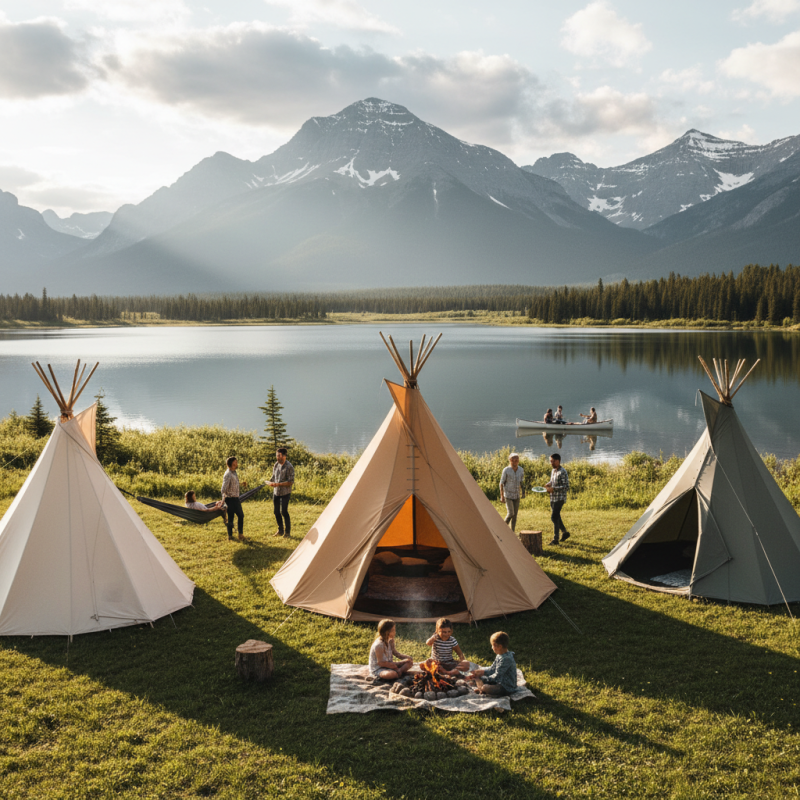
Constructed from durable materials, Tipi Tents are versatile. They serve as great camping shelters. Families enjoy them for their spacious interiors. But, some may overlook their significant benefits. They encourage outdoor activities and foster a sense of community. However, not everyone finds them easy to set up.
Focusing on sustainability, Tipi Tents offer eco-friendly living spaces. Still, there can be challenges in harsh weather. It's important to consider these aspects before choosing a Tipi Tent. Balancing comfort and practicality is key. Whether for a summer getaway or a winter retreat, they bring a unique experience. Reflecting on their versatility opens doors to new adventures.
Benefits of Tipi Tents: A Historical Perspective
Tipi tents, with their iconic conical shape, have a rich history. Originally used by Indigenous peoples of North America, these tents were practical shelters. They stood strong against harsh weather. The design allowed for efficient heating. A fire inside warmed the living space. This made them ideal for the plains, where temperatures could plummet.
The benefits extend beyond mere shelter. Tipis promote a sense of community. Families gathered around the fire at night, sharing stories and traditions. Their portable nature allowed for easy relocation. This adaptability is essential for those who move often. However, modern uses can be less authentic.
People often romanticize the idea of living in a tipi. Some may not appreciate the effort required. Setting up a tipi is not as simple as it seems. It requires skill and patience. Reflecting on the past can help us understand their significance. Tipis remind us of resilience and adaptability. They embody a way of life that has much to offer today.
Design Features of Tipi Tents that Enhance Functionality
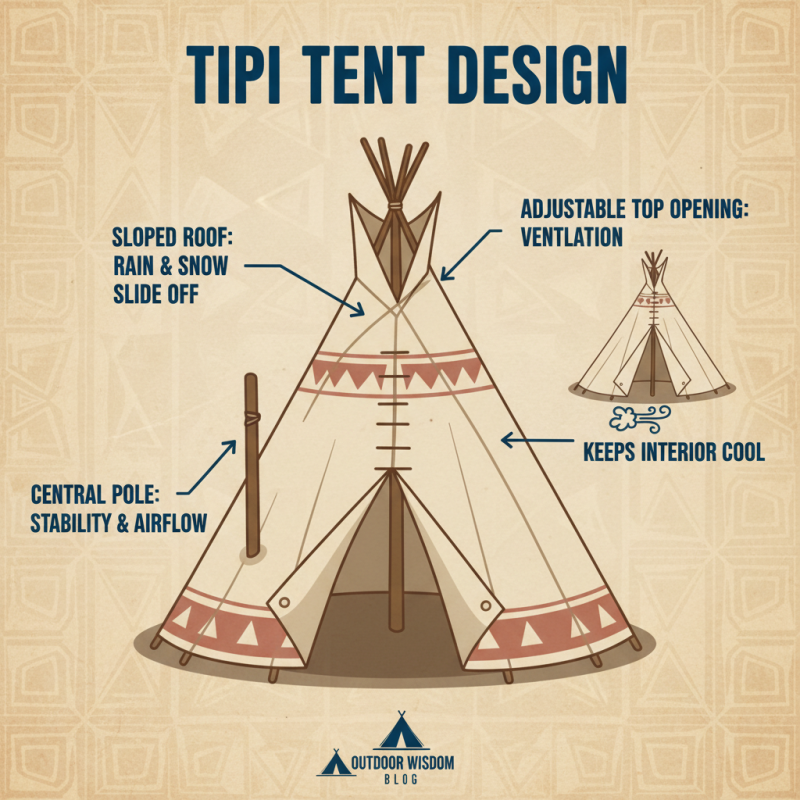
Tipi tents, with their distinctive conical shape, have several design features that enhance their functionality. The slope of the roof allows rain and snow to slide off easily. This minimizes the chance of water pooling, reducing damage over time. The central support pole also plays a crucial role. It not only provides stability but also facilitates airflow. Ventilation can be adjusted with the opening at the top. This feature can keep the interior cool during warm days.
Another notable characteristic is the flexible fabric used in construction. This material can withstand various weather conditions, making it suitable for different climates. However, one might find some fabric types less durable than expected. It can be beneficial to choose carefully. Additionally, the interior space is often quite open. You can arrange your furniture in various ways. Yet, this spaciousness can lead to a drafty environment in cooler weather.
While tipi tents are excellent for outdoor adventures, they may not provide the same comfort as modern structures. Insulation can be an issue, making it hard to retain heat. Campers might need extra blankets or sleeping bags, which can be inconvenient. Overall, these design features allow for functionality but can pose challenges that require thoughtful planning.
Applications of Tipi Tents in Modern Outdoor Events
Tipi tents have become popular in modern outdoor events. Their conical shape and spacious interiors offer a unique ambiance. Whether it’s a wedding, festival, or corporate retreat, these tents create inviting spaces. They can adapt to various themes, from rustic to bohemian. Guests often feel relaxed in such charming settings.
One might envision a cozy dinner under twinkling lights. Imagine the laughter mingling with the whispers of the wind. Yet, organizing such events requires careful planning. Sometimes, the weather can be unpredictable. Inconsistent forecasts can lead to hurried decisions. This challenge compels event planners to stay on their toes.
More than just shelter, Tipi tents serve as creative canvases. They can be decorated with colorful fabrics and warm lighting. However, not every detail fits perfectly. Some decorations may clash, leading to a mixed aesthetic. Embracing these imperfections can make the space feel more authentic. Each event can tell a different story, capturing the spirit of the moment.
Sustainability and Environmental Impact of Tipi Tent Use
Tipi tents are becoming popular for various reasons. Their unique design is inspired by traditional structures used by Indigenous peoples. This structure allows for better air circulation and natural cooling, making them adaptable in different climates. Made from natural materials, they offer a minimalistic approach to outdoor living. However, the environmental impact varies based on the materials used for production.
Sustainability is a double-edged sword. While using organic or recycled materials can reduce their carbon footprint, not all suppliers prioritize eco-friendly practices. Some tipi tents may feature synthetic fabrics that harm the environment during production and disposal. Buyers need to investigate the sourcing before choosing a tent. It’s essential to weigh sustainability against potential environmental harm.
The placement of these tents also matters. Setting them up in natural sites can lead to soil erosion and damage to local flora. Responsible camping practices should be observed. Leaving no trace is vital to protect nature. This requires reflection on personal habits and choices when using these tents. In the end, while tipis can align with sustainable living, thoughtful consideration is necessary.
Market Trends and Consumer Preferences for Tipi Tents
When exploring the market for tipi tents, consumer preferences have shifted significantly. Many individuals seek eco-friendly options made from sustainable materials. They appreciate the natural aesthetics that these tents provide. This trend aligns with a growing desire for outdoor experiences that are both authentic and sustainable. The spacious interior of a tipi tent also appeals to families and groups wanting shared experiences in nature.
Another compelling aspect is the versatility of tipi tents. They are used for camping, glamping, and even backyard gatherings. The design allows for easy setup, which attracts both novice and experienced campers. Yet, there's a learning curve in understanding how to properly manage space within the tent. Some users struggle with organization and might find it challenging to maintain comfort. These tents also require proper ventilation to avoid condensation. Despite these challenges, many consumers remain drawn to the unique charm of tipi tents. This allure continues to shape market trends as people seek innovative outdoor solutions.
Benefits and Uses of Tipi Tents