How to Choose the Best Trekking Bag for Your Adventures?
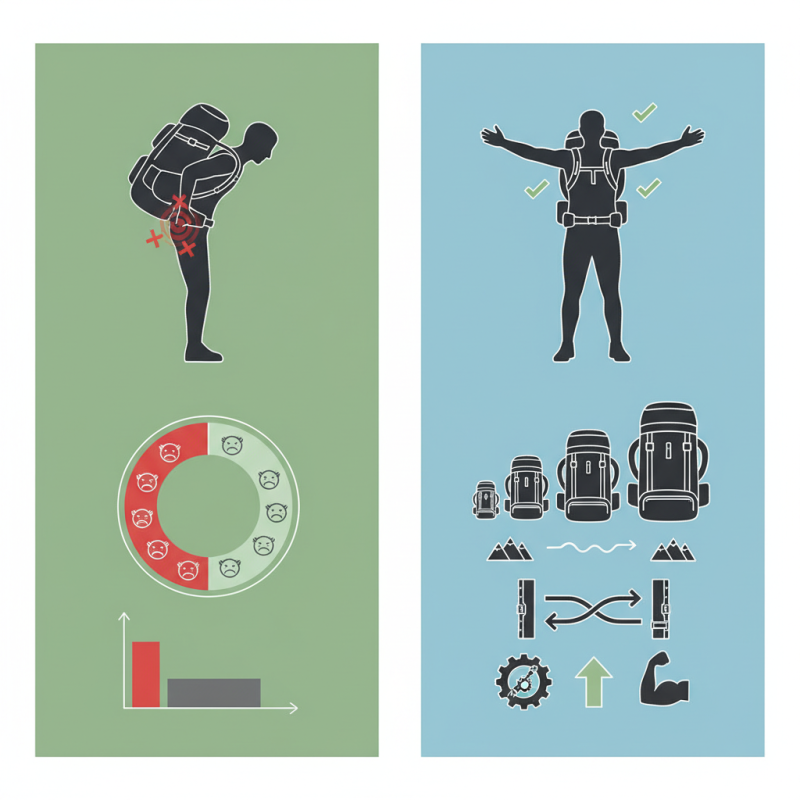
Choosing the best trekking bag can significantly enhance your outdoor adventures. A 2022 industry report shows that 70% of trekkers experience discomfort due to inadequate gear. The right trekking bag supports your body, ensuring a more enjoyable experience.
Weight distribution is crucial. An improperly fitted bag can lead to fatigue and injury. More than 40% of trekkers reported back pain linked to bad bag choices. Details matter, like adjustable straps and breathable materials. Features often define comfort.
Think about the bag's capacity. Trekking bags come in various sizes. Picking one that aligns with your trip length is essential. However, many overlook this factor. A bulky bag can weigh you down. A well-fitted, functional trekking bag can improve your performance and confidence while exploring the great outdoors.
Understanding Your Trekking Needs and Activity Level
When choosing a trekking bag, it's essential to align your selection with your specific needs and activity levels. A study by Outdoor Industry Association revealed that over 47 million Americans participated in hiking and trekking in 2022. This number indicates a growing interest in outdoor activities. However, your trekking bag must cater to your unique adventures, whether hiking for a day or embarking on multi-day treks.
For shorter treks, a bag with a capacity of 20 to 30 liters might suffice. These typically offer enough space for essentials like water, snacks, and a first aid kit. Conversely, if you're planning a lengthy expedition, bags with a capacity exceeding 50 liters are ideal. They can accommodate extra gear such as sleeping bags and cooking equipment. Comfort is crucial; pack weight heavily influences your stamina. A recent survey showed that 85% of trekkers reported discomfort directly affecting their enjoyment. Therefore, ensure the straps fit your body well and the weight distribution feels balanced.
Reflect on your usual trekking environment. Are you hiking in wet areas or rocky terrains? This influences your choice of material and features. A waterproof fabric is beneficial for rainy climates, and extra compartments aid in organizing gear. Remember, while you want a bag that looks good, functionality is more critical. Prioritize practicality over aesthetics to enhance your trekking experience.
Key Features to Look for in a Trekking Bag
Choosing the right trekking bag can enhance your outdoor adventures significantly. Focus on key features that matter most for your needs. A good trekking bag should fit well and feel comfortable. Look for adjustable straps that allow you to customize the fit based on your body shape.
Materials matter too. Opt for water-resistant fabrics to protect your gear against unexpected rain. Check the storage options. A bag with multiple compartments can help you organize items effectively. You might find pockets for hydration reservoirs or detachable bags handy.
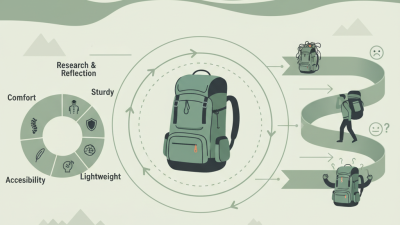
Weight is another important factor. Lighter bags can make long hikes more enjoyable, but ensure durability is not compromised. Test the bag in-store if possible. Strap it on and walk around. Think about ventilation as well; a breathable back panel can prevent sweat build-up. Reflect on your previous experiences and learn what works best for you. Consider a balance between functionality and comfort. Each trek brings new challenges, and your bag should support you through them.
Choosing the Right Size and Capacity for Your Adventures
Choosing the right size and capacity for your trekking bag is crucial for a successful adventure. Research shows that improperly sized bags can lead to discomfort and fatigue. A study by the Outdoor Industry Association highlights that 65% of trekkers experience physical strain due to poor equipment choices. These statistics underline the importance of taking time to select the perfect bag.
When determining size, consider the duration of your hike. For overnight trips, a 50-65 liter bag is usually suitable. For day hikes, a 20-30 liter pack works well. Evaluate the gear needed for each trip. Lightweight materials are essential for efficiency, but they should not sacrifice durability. The capacity should accommodate your essentials without being overly bulky.
It's vital to reflect on personal needs. Some hikers may carry more water or food, while others prefer minimal supplies. A bag with adjustable straps can help distribute weight evenly. Aim to pack wisely to avoid overloading your bag, as this can affect balance and mobility. Remember, the right bag will enhance your experience, but the wrong choice can lead to unnecessary strain. Consider your habits seriously when making your selection.
Material and Durability Considerations for Trekking Bags
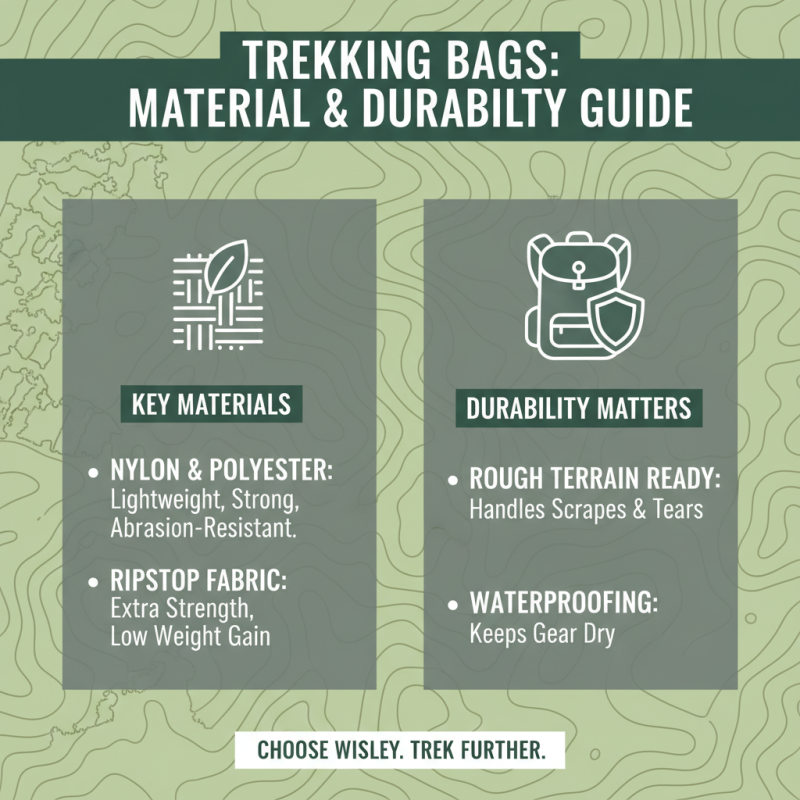
When choosing a trekking bag, material and durability are key. The bag's fabric impacts its weight, waterproofing, and overall durability. Many trekkers prefer nylon or polyester because they are lightweight yet strong. These materials resist abrasions well and can handle rough terrains. Look for ripstop fabric, which adds extra strength without a significant weight increase.
Some bags use waterproof coatings or treatments. This feature is essential for those who hike in wet conditions. Even so, prolonged exposure to water may compromise the bag over time. Check the seams; taped seams often indicate a better waterproofing ability. Ventilation is also important. A bag that allows airflow can prevent mold, especially in humid conditions.
Reflecting on personal experiences, I've learned that a stylish bag may not be durable. While aesthetics matter, a sturdy build and functionality are crucial for long hikes. Consider the weight of the bag too. A heavily packed bag can lead to discomfort during treks. Balancing durability, material, and comfort is vital, as the right trekking bag can enhance your adventure significantly.
Budgeting for a Quality Trekking Bag: What to Expect
When budgeting for a quality trekking bag, it's essential to understand what you can expect. Research shows that a good trekking bag typically costs between $100 and $400. However, prices can vary widely based on materials and features. A durable bag is a worthwhile investment. Reports indicate that nearly 70% of trekkers believe comfort impacts their overall experience.
Consider how often you trek. If you trek occasionally, a mid-range bag may suffice. Frequent trekkers might need a higher-end model. Evaluate not only your budget but also the bag's features. Look for waterproof materials or multiple compartments. These features enhance functionality and durability.
Tips: Always try on the bag before purchasing. A good fit is crucial for comfort. Check weight distribution as well. An improperly fitted bag can lead to fatigue. Remember that the design of your trekking bag can affect your trip quality. It's worth spending time researching your options. Sometimes, what seems like a small detail can significantly impact your trekking experience.
How to Choose the Best Trekking Bag for Your Adventures? - Budgeting for a Quality Trekking Bag: What to Expect
| Feature |
Basic (Under $100) |
Mid-Range ($100 - $300) |
Premium (Above $300) |
| Material Quality |
Basic synthetic fibers |
Durable nylon ripstop |
High-strength, water-resistant materials |
| Weight |
Heavy and bulky |
Moderate weight |
Lightweight and ergonomic |
| Storage Capacity |
20-30 liters |
30-50 liters |
50 liters and above |
| Comfort Features |
Basic padded shoulder straps |
Padded hip belt and back support |
Advanced ergonomic design and ventilation |
| Waterproofing |
Basic water-resistant coating |
Waterproof zippers and seams |
Fully waterproof with robust materials |
| Price Range |
$50 - $99 |
$100 - $299 |
$300 and above |