How to Choose the Best Tipi Tents for Your Outdoor Adventures?
When embarking on outdoor adventures, selecting the ideal tipi tents can significantly enhance the experience. According to the 2022 Outdoor Industry Association Report, the camping equipment market is witnessing a growth of over 5% annually. This increase indicates that more people are seeking unique and comfortable camping solutions. Renowned outdoor expert, Sarah Thompson, emphasizes, “Choosing the right tent is crucial for enjoying the great outdoors.”
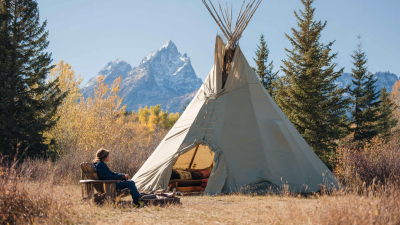
Tipi tents stand out for their distinctive design and spacious interiors, allowing for a more communal camping experience. Many campers appreciate the traditional aesthetics combined with modern materials. However, not all tipi tents are created equal. Some may lack durability or weather resistance, leading to discomfort and disappointment during a trip.
Choosing wisely is essential. Factors like weight, material, and ease of setup can greatly impact your outdoor adventure. With numerous options available, making an informed decision can be daunting. Reflecting on personal needs and experiences often leads to a more fulfilling outdoor escape. Whether you're a seasoned camper or a first-timer, the right tipi tents can make all the difference.
Factors to Consider When Choosing a Tipi Tent for Outdoor Use
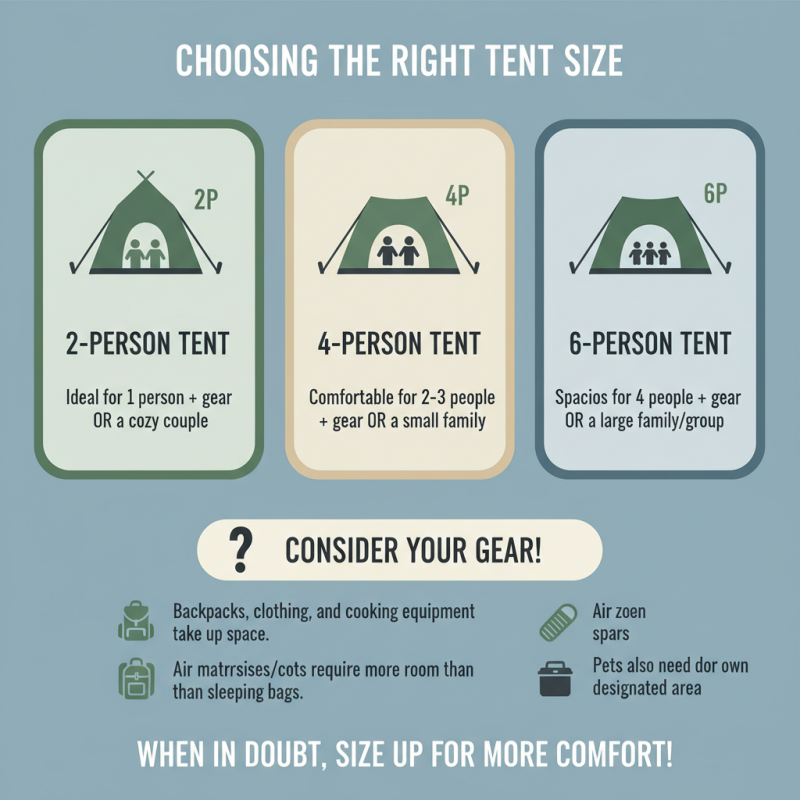
Choosing the right tipi tent involves considering several crucial factors. First, look into the size and capacity. A tent should accommodate all occupants comfortably. According to outdoor gear studies, a 12-foot tipi can fit 4-6 people, making it ideal for small groups. However, always allow for extra space for gear and movement.
Another important factor is the material. Most tipi tents use durable, weather-resistant fabrics. Research shows that nylon and canvas are popular choices. Canvas, while heavier, offers superior breathability. Nylon is lightweight but may lack insulation. Think carefully about the climate where you plan to use it.
Ventilation matters greatly, too. A well-ventilated tent prevents condensation buildup. Many models include vents at the top, which promotes airflow. Yet, some users report issues with drafty designs. Lastly, assess the ease of setup. Complicated tents make for frustrating experiences, especially in bad weather. Keep these elements in mind for a successful outdoor adventure.
Types of Materials Used in Tipi Tents and Their Durability
When considering
tipi tents,
the choice of materials is crucial for both performance and durability.
Common materials include
canvas,
polyester, and
nylon.
Canvas offers breathability and longevity, ideal for warmer climates.
It resists rot and mildew if properly maintained.
However, it can be heavy and cumbersome to carry.
On the other hand, polyester and nylon are lightweight options.
They are often waterproof, making them preferable for wet conditions.
Yet, their durability can differ significantly.
Look for
reinforced seams and
quality zippers.
These features can indicate how well the tent will withstand wear and tear.
Some materials may fade in sunlight, reducing lifespan.
Think about where you camp and what challenges you face.
If your adventures lead you through rugged terrain, a more durable fabric may be worth the investment.
If you're unsure, consider trying out
different materials.
You may find that what seems best on paper doesn't meet your needs in real life.
The ideal material should balance
weight,
durability, and
ease of setup.
Essential Features to Look for in a Quality Tipi Tent
When choosing the best tipi tent for outdoor adventures, certain features stand out. Start with size. A typical family-sized tipi tent can accommodate four to six people. This ensures enough space for gear and comfort. A 2021 report from the Outdoor Industry Association highlighted that 68% of campers prioritize spaciousness in a tent.
Material quality is another crucial aspect. Look for durable fabrics, like ripstop nylon or polyester. Water-resistance is essential too. A reliable tent can withstand at least 1500mm of water pressure. Some tents fail in harsh weather. Waterproofing can be overlooked, leading to soggy camping experiences.
Ventilation should not be neglected. Many tents offer mesh windows for airflow. Lack of ventilation can cause condensation. Consider the tent's weight if you plan to hike. Heavier tents may deter spontaneous trips. Balancing weight and durability is often a struggle for campers. Exploring options carefully is wise.
Tips for Maintaining Your Tipi Tent for Longevity and Performance
When it comes to the longevity and performance of your tipi tent, proper maintenance is key. According to industry reports, tents that are well cared for can last up to 50% longer than those that are neglected. Regular cleaning and proper storage can significantly extend your outdoor gear’s lifespan.
Tips: Always clean your tent after each trip. Use mild soap and water to remove dirt and grime. Ensure it is dry before storage to prevent mold. Damaged seams should be repaired promptly to maintain waterproofing.
Furthermore, consider the impact of weather on your tent. High UV exposure can degrade fabric over time. A UV-protective spray can help mitigate this issue. Avoid placing your tent on rough surfaces; use a ground tarp instead. This will protect the bottom of the tent from wear and tear.
Tips: Regularly check for signs of wear, such as fraying or discoloration. Addressing small issues early can prevent bigger problems later. Remember, investing in care now can save you from unexpected challenges during your adventures.
How to Choose the Best Tipi Tents for Your Outdoor Adventures