How to Choose the Best Ultra Lightweight Sleeping Bag for Your Adventures?
When embarking on outdoor adventures, choosing the right gear is essential. One crucial item is the Ultra Lightweight Sleeping Bag. This bag can make or break your experience in the great outdoors. With options available, finding the best one can feel overwhelming.
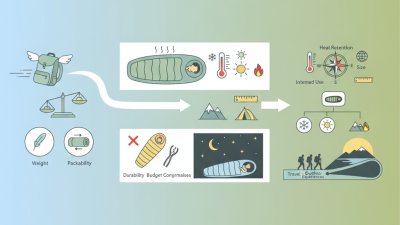
A quality Ultra Lightweight Sleeping Bag offers significant benefits. It provides comfort without weighing you down. However, not all sleeping bags are created equal. Understand your needs, the climate, and how much you want to pack. Consider what features matter most, such as insulation type or packability.
There are pitfalls to avoid. Many users choose based solely on price, missing out on better options. Personal comfort varies, so test bags if possible. Research brands known for quality; customer reviews often reveal what companies won’t. Ultimately, the right choice enhances your outdoor experience.
Understanding the Importance of an Ultra Lightweight Sleeping Bag
When embarking on outdoor adventures, the choice of a sleeping bag can significantly impact your experience. An
ultra lightweight sleeping bag is essential for hikers and backpackers seeking comfort without excess weight.
These bags are designed to provide warmth while remaining easy to carry. The materials used often emphasize insulation and durability. However, some may find the trade-off
in price versus quality concerning.
A good ultra lightweight sleeping bag should be compact yet effective. Look for bags that provide adequate warmth ratings for your specific environment. It's crucial to
consider the weather conditions you may encounter during your trips. A bag that offers a high level of insulation may feel heavier. It’s a balancing act
that requires careful thought. You might need to reconsider what features are most important for your needs.
Another issue to reflect on is construction. Some sleeping bags may have stitching or materials that compromise their durability.
This can lead to unforeseen challenges on a long trek. Investing in a reliable product often pays off in terms of comfort and safety. Read reviews
and seek expert advice to ensure the bag you choose meets your expectations. Your adventures deserve the best preparation.
Factors to Consider When Choosing an Ultra Lightweight Sleeping Bag
Choosing the right ultra lightweight sleeping bag can significantly enhance your outdoor experience. Weight is a primary factor. Look for bags that weigh under two pounds. Consider the insulation type. Down insulation is warmer but may not perform well when wet. Synthetic insulation is heavier but dries quickly, making it suitable for varied climates.
Temperature rating is crucial for comfort. Be mindful of the rating system. It should match your planned environment. A bag rated for 20°F may not keep you warm at lower temperatures. Fit is another important aspect. A snug fit retains heat better, but be wary of feeling cramped. It might be tempting to select a roomier option, but that can lead to cold spots.
Other factors include durability. Look for strong materials that withstand wear and tear. Seams should be well-constructed to prevent leaks. We sometimes neglect these details but they matter. Finally, consider the bag's packability. A compressible bag may be less comfortable, so weigh your priorities. Reflect on your experiences to find the perfect balance between comfort and lightweight design.
Weight of Different Ultra Lightweight Sleeping Bags (in Grams)
Types of Insulation Used in Ultra Lightweight Sleeping Bags
When selecting an ultra lightweight sleeping bag, the type of insulation is crucial. There are primarily two types of insulation: down and synthetic. Down insulation is known for its superior warmth-to-weight ratio. It can keep you warm even in cold conditions. However, it loses its insulating properties if wet. Synthetic insulation, on the other hand, retains warmth when damp. It is often more affordable and dries quickly. According to the Outdoor Industry Association, around 60% of outdoor enthusiasts prefer synthetic over down due to its reliability in diverse conditions.
Tips: When choosing insulation, consider your adventure's environment. If you expect wet weather, synthetic could be the safer choice. For cold, dry climates, down is lighter and warmer. Balancing warmth and weight can be challenging. A 2019 study highlighted that a 10% increase in bag weight decreases overall comfort during hiking trips.
Additionally, pay attention to fill power for down bags. A higher fill power signifies better insulation with less weight. The best fill power typically ranges from 600 to 900. For synthetic, the thickness and type of fiber affect durability and warmth. Some travelers find the warmth is not as expected. It’s essential to test bags in conditions similar to your planned outdoor adventures to avoid disappointment.
How to Choose the Best Ultra Lightweight Sleeping Bag for Your Adventures? - Types of Insulation Used in Ultra Lightweight Sleeping Bags
| Insulation Type |
Weight (oz) |
Temperature Rating (°F) |
Pack Size (inches) |
Moisture Resistance |
Durability |
| Down |
16 |
20 |
7 x 14 |
Moderate |
High |
| Synthetic |
24 |
30 |
8 x 15 |
High |
Medium |
| Hybrid (Down-Synthetic) |
20 |
25 |
7 x 13 |
Moderate |
High |
| Econ Fil |
28 |
35 |
9 x 16 |
Low |
Low |
Sizing and Fit: How to Choose the Right Size Sleeping Bag
Choosing the right size sleeping bag is crucial for a comfortable night outdoors. It can impact warmth, weight, and overall comfort. A sleeping bag that is too big may lead to heat loss, while one that is too small can restrict movement and cause discomfort. Consider your body size and the amount of gear you plan to stuff inside.
When measuring for fit, think about your usual sleeping position. Do you often toss and turn? If so, a slightly larger bag might be necessary. Additionally, different styles like mummy bags provide less room but keep heat in better. Ensure the length accommodates your height, too. A bag that is too short will be less comfortable, especially in colder conditions.
Don’t forget to account for insulation needs. A three-season bag is versatile, but specific adventures may demand a different choice. Reflect on your personal experiences with sleeping bags. Every camper has a story about insufficient space or unexpected drafts. It’s worth testing bags before purchasing them. Ultimately, choose based on your comfort and the type of trips you plan.
Additional Features to Look for in Lightweight Sleeping Bags
Choosing a lightweight sleeping bag goes beyond weight alone. While the main purpose is insulation, consider additional features that enhance your experience. For instance, look for a sleeping bag with a hood. A snug hood keeps warmth in and minimizes heat loss during colder nights. Check the zipper, too; a two-way zipper can offer flexibility in ventilation.
Material and design matter. Fabrics with water resistance can protect you against moisture. Some bags offer compressibility, making packing easier. A small packed size leaves more room in your backpack. Remember, features like draft collars help reduce heat escape and also add comfort.
Tips: Test the sleeping bag in various conditions. Experience how it performs in colder climates. Reflect on the balance between weight and comfort. Each adventure may demand different needs. Don't rush your decision. Sometimes, what seems perfect can fall short in real scenarios. Choose wisely.