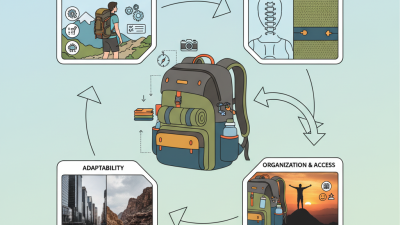
A Trekking Bag is more than a place to stash snacks. It shapes how weight sits against your back, how quickly you can reach a rain shell, and how steady you feel on uneven ground. Outdoor Industry Association’s 2024 Outdoor Participation Trends Report estimated that 175.8 million Americans participated in outdoor recreation in 2023. That figure includes many activities, not hiking alone, so it should not be mistaken for a count of trail users. Still, it shows how many people may benefit from equipment that fits the outing.
A well-chosen bag can keep essentials organized without making every step feel like a negotiation. Look for an adjustable harness, a supportive hip belt, and pockets you can reach while standing on a narrow trail. REI Co-op’s expert guidance on pack fitting likewise emphasizes matching the pack to your torso and adjusting the straps before loading it. Small details matter. A loose hip belt, for example, can make a short climb feel longer.
The right choice depends on distance, weather, body fit, and what you actually carry. A day hike may need little more than water, food, and a light layer; an overnight trip demands more space and careful packing. Bigger is not automatically better. I’ve seen capacity numbers dominate shopping decisions, though they say little about comfort after several miles. No chart can settle fit for you. A Trekking Bag deserves a real, loaded test before the trail does.
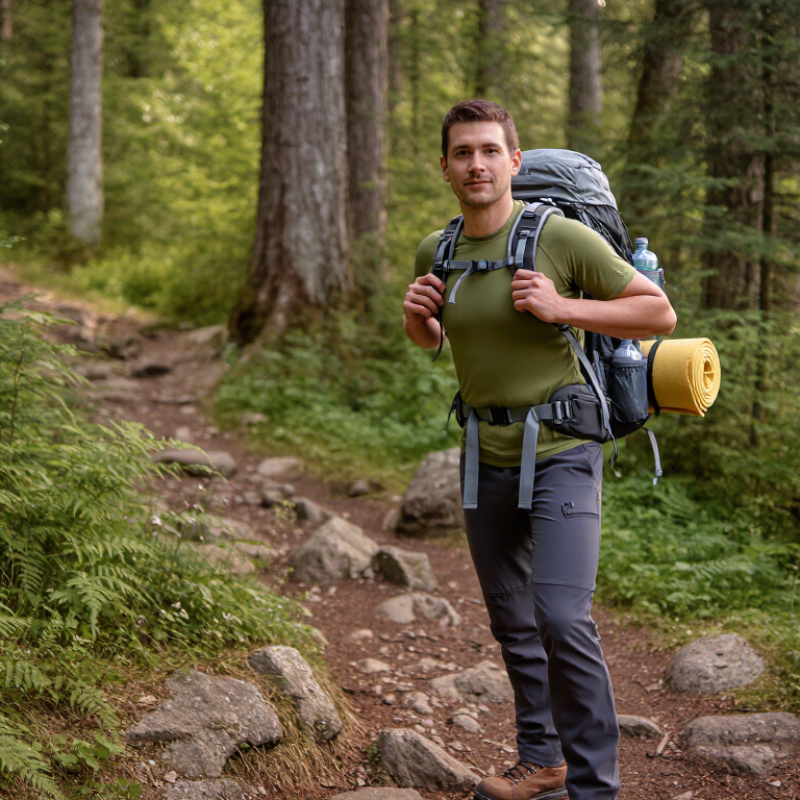
A trekking bag for hiking is defined by how it carries a load, not simply by its size. Its harness should fit the wearer’s torso, while a supportive hip belt helps transfer weight from the shoulders to the hips. Internal frames or structured back panels can steady the load when the trail gets uneven. Fit matters. Before buying, adjust the straps with weight inside and check whether the bag shifts, rubs, or pulls you backward. A roomy pack can still feel wrong.
Storage features matter, but they do not replace a good carrying system. Side pockets keep a water bottle within reach; a rain cover helps protect spare layers, and separate compartments can make small items easier to find. The Outdoor Industry Association’s 2024 Outdoor Participation Trends Report counted 175.8 million U.S. outdoor participants in 2023, or 57.3% of the population. That scale makes practical comfort more than a marketing detail. Still, there is no perfect layout for every hike: a feature useful on a wet overnight trek may be dead weight on a short, dry route. Not glamorous. Try the bag with the clothing and load you expect to carry, because a showroom fit can be misleading.
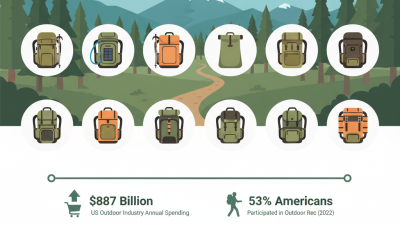
A trekking bag carries more than equipment; it helps keep the load steady as the trail changes. Place heavier items, such as water and food, close to your back and near the middle of the bag. This reduces the feeling of being pulled backward. Lighter layers can sit higher or farther out. Small items belong in pockets you can reach without unpacking everything.
A padded hip belt transfers much of the weight to your hips, while shoulder straps keep the bag close. Adjust both before setting off, then retighten them after the first few minutes. The fit can feel different once the bag is full. Compression straps limit shifting, especially on uneven ground. Still, extra straps do not fix poor packing. A lopsided load can make even a short climb tiring.
Tips: Keep rain gear and snacks easy to reach. Use a small dry bag for spare clothing. Test the packed bag on a short walk before a longer hike. I sometimes pack too much “just in case.” It adds weight fast. Remove anything you are unlikely to use, but keep essentials accessible.
A trekking bag is more comfortable when its frame and harness match your body, not just its capacity. A properly adjusted hip belt should rest around the hip bones and carry much of the load. Shoulder straps should sit close without digging into your neck. Fit varies with torso length, so try the pack with weight inside before a long hike. A quick test helps.
On steep climbs, a sternum strap can stop shoulder straps from sliding outward, but it should not restrict breathing. Load lifters pull the upper pack closer to your back when adjusted gently. Keep heavier items near your spine and roughly between your shoulder blades; loose gear swinging at the sides can throw off balance. Compression straps help reduce that movement as the pack empties. Small adjustments matter.
A padded back panel can reduce pressure, though thick padding may feel warm on a humid trail. Ventilation helps, but no design keeps every back dry. Walk for several minutes with the hip belt snug, then loosen or tighten it as needed. I’ve found that a pack can feel fine in a shop and rub after an hour, especially over uneven ground. Check for hot spots before the trail gets remote. Layering can change the fit, too.
| Feature | How It Works | Comfort Benefit | Stability Benefit | What to Look For |
|---|---|---|---|---|
| Padded, adjustable hip belt | Wraps around the hips and helps transfer much of the pack’s weight from the shoulders to the pelvis. | Can reduce pressure on the shoulders when the belt is correctly fitted. | Secures the pack close to the body and limits side-to-side movement. | A belt that rests over the hip bones, adjusts securely, and feels comfortable under load. |
| Torso-length adjustment | Allows the shoulder harness and hip belt to be positioned for the wearer’s torso length. | Helps the shoulder straps and hip belt share the load as intended. | Keeps the pack aligned with the back rather than sagging or pulling away. | A suitable torso fit; pack sizing is generally based on torso measurement, not height alone. |
| Sternum strap | Connects the shoulder straps across the chest and can usually be adjusted vertically. | Helps keep shoulder straps in a comfortable position without overtightening them. | Reduces shoulder-strap spread and helps control pack movement while walking. | An adjustable strap that sits comfortably across the chest and does not restrict breathing. |
| Load-lifter straps | Run from the top of the shoulder straps to the upper part of the pack. | Can reduce the feeling of the pack pulling backward when adjusted appropriately. | Draw the upper pack closer to the back for better balance on uneven ground. | Straps that can be adjusted without lifting the shoulder straps uncomfortably. |
| Supportive frame or frame sheet | Helps the pack hold its shape and transfers load toward the hip belt. | Provides structure, especially when carrying heavier or less evenly packed gear. | Helps prevent the load from collapsing or shifting against the back. | A frame suited to the intended load; lighter day packs may use simpler support than larger trekking packs. |
| Back panel and ventilation | Shapes the contact area between the pack and the wearer’s back; some designs create an air channel. | Padding and breathable materials can improve contact comfort and help manage perspiration. | A well-fitted panel keeps the load positioned consistently against the back. | A panel that matches the wearer’s back shape and does not create uncomfortable pressure points. |
| Compression straps | Tighten the pack around its contents and can secure items externally. | Reduce bulky or uneven packing that may press against the wearer. | Limit load movement, particularly when the pack is not filled to capacity. | Straps that can be tightened evenly without obstructing access to essential gear. |
| Appropriate capacity | Provides space for the equipment, food, and water required for a particular trip. | Helps avoid carrying an unnecessarily large, heavy pack. | A properly filled pack is easier to compress and keep balanced. | As a broad guide, day hikes often use about 20–35 L, overnight trips about 35–50 L, and longer trips about 50–70 L; needs vary with gear and conditions. |
| Accessible pockets and compartments | Keep frequently used items—such as water, snacks, or a rain layer—within reach. | Reduces the need to remove the pack during routine stops. | Encourages consistent packing, with heavier items kept close to the back and centered. | Pockets placed for easy access without making the loaded pack lopsided. |
A trekking bag should fit the hike, not just look roomy. For a day walk, a compact pack can carry water, food, a light layer, and basic first aid without inviting extra weight. Overnight routes need space for a sleeping setup, shelter, and meals. Check the expected weather, too; rain gear and warm layers take room. Fit matters. A hip belt should rest comfortably on your hips, while shoulder straps sit snugly without pinching. Load the bag before buying if possible, and walk around with it for several minutes.
Tips: Lay out your gear before choosing capacity. Put heavier items close to your back, and keep snacks or a map within easy reach. Adjust the straps with the pack loaded, not empty. A bag that feels fine in a shop may rub after a few hours, especially on a steep descent. Small fit differences matter.
Avoid choosing a larger bag “just in case” unless your route genuinely requires the space. Extra room can make it tempting to carry things you will not use. Still, a very tight pack can be frustrating when conditions change or gear gets damp. There is no perfect capacity for every hike. Compare the pack’s volume, support, and pocket layout with your actual route and kit, then leave a little room for practical surprises.
A trekking bag is the right choice when a hike calls for more than water and a light jacket. Think of a long route with uneven ground, changing weather, and food for several hours. A supportive hip belt can transfer some weight from your shoulders, while adjustable straps help keep the load close to your back. Fit matters. A bag that shifts on a rocky descent can become tiring surprisingly quickly.
Look at what you will actually carry before choosing a larger pack. A rain shell, first-aid supplies, snacks, and extra water need room, but unused space can invite overpacking. That is an easy mistake. Try the loaded bag at home, then walk up a flight of stairs or around the block. Notice whether the straps rub, the contents move, or the belt rests comfortably on your hips. For a short, familiar trail, a smaller daypack may feel better; a trekking bag earns its place when distance, gear, or changing conditions demand more capacity and support. The trade-off is real: extra structure adds weight, and even a good fit may need small adjustments on the trail.