2026 How to Choose the Best Sleeping Bags for Your Needs?
Choosing the right sleeping bag is crucial for an enjoyable outdoor experience. According to outdoor expert Jane Roberts, "Good sleeping bags are essential for a restful night in the wild." With various options available, understanding your needs can make a significant difference.
When selecting sleeping bags, consider temperature ratings, weight, and insulation types. For instance, down insulation is lightweight but pricey, while synthetic is affordable and performs well in wet conditions. Ending up with the wrong bag can lead to discomfort during camping trips. Always reflect on your specific activities and surroundings.
Investing time in research is wise. Not every bag will meet your expectations. Distilling your preferences into key factors ensures you find a bag that balances comfort and practicality. Good sleeping bags should keep you warm, yet not restrict movement. Evaluating user reviews and expert recommendations can lead to better choices.
Factors to Consider When Choosing a Sleeping Bag
When selecting a sleeping bag, consider insulation type. Synthetic insulation works well in wet conditions.
Down insulation offers excellent warmth-to-weight ratios but loses insulation when wet. Choose based on your typical camping environment.
Temperature rating is crucial. A sleeping bag's rating indicates the lowest temperature it can handle. However, personal comfort levels vary. Test your chosen bag at home to find out if it suits you.
Tips: Always check the bag's fit. A snug fit reduces heat loss and maximizes warmth.
Consider the weight and packability if you plan on backpacking. Also, look for features like hoods and draft collars for added warmth. Remember, what works for others may not work for you, so give yourself time to explore different options.
Different Types of Sleeping Bags and Their Uses
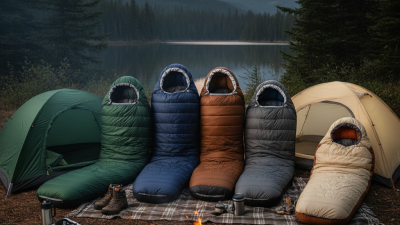
Sleeping bags come in various types, each designed for specific situations. Understanding these differences can help you choose wisely. Mummy sleeping bags are popular for their snug fit. They minimize heat loss, perfect for cold weather camping. Many adventurers prefer them for backcountry trips where weight matters.
Then, there are rectangular sleeping bags, offering more room. They are great for car camping or indoor use. People who toss and turn during sleep appreciate this space. However, they may not retain heat as efficiently. You might find yourself waking up chilly in colder conditions.
There are also hybrid designs that blend features of both types. Some options have added insulation in specific areas. This can enhance warmth without sacrificing comfort. When selecting a sleeping bag, consider your activities, climate, and personal comfort. Reflect on your past experiences; did you feel restricted or too exposed? Choosing the right bag significantly impacts your sleep quality outdoors.
Understanding Temperature Ratings and Insulation Types
Choosing the right sleeping bag involves understanding its temperature ratings and insulation types. Temperature ratings are crucial. They tell you the lowest temperature in which the bag keeps you warm. Many bags list comfort, lower limit, and extreme ratings. Comfort ratings work for most, but individual needs vary. A bag rated too high may leave you chilly. Conversely, one rated too low can trap heat uncomfortably.
Different insulation types affect weight and warmth. Goose down is lightweight and compressible. However, it can lose insulating properties if wet. Synthetic materials are heavier but maintain warmth when wet. Each has pros and cons. Reflect on your needs. Will you encounter wet conditions? Is weight a priority for hiking? These questions guide your choice. Understand that no perfect bag exists. Each option has trade-offs. Finding the right balance is key.
2026 How to Choose the Best Sleeping Bags for Your Needs?
| Sleeping Bag Type |
Temperature Rating (°F) |
Insulation Type |
Weight (lbs) |
Pack Size (in) |
| Mummy Bag |
15 |
Down |
2.5 |
10 x 6 |
| Rectangular Bag |
30 |
Synthetic |
4.0 |
14 x 8 |
| Semi-Rectangular |
25 |
Down |
3.0 |
12 x 7 |
| Backpacking Bag |
20 |
Synthetic |
3.5 |
11 x 6 |
Size and Fit: How to Select the Right Sleeping Bag for You
When choosing a sleeping bag, size and fit are crucial. A poorly fitted bag can lead to discomfort and reduced warmth. According to a study by the Outdoor Industry Association, 70% of outdoor enthusiasts reported a better experience when their gear fit well. A sleeping bag should allow you to sleep comfortably without excess space that can cause heat loss.
To find the right fit, consider your height and preferred sleeping position. For those who sleep on their side, a slightly wider bag is beneficial. Many sleeping bags come in a variety of lengths. Look for bags that offer a snug fit around the shoulders and hips but provide enough room for movement. A tapered shape can enhance thermal efficiency by minimizing excess air space.
Tip: Always try a sleeping bag in-store if possible. Lie down in it to assess the comfort and space. This can reveal if the sleeping bag truly meets your needs. After trying, some users find even a slight size change makes a significant difference in their experience.
Another consideration is temperature rating. While seeking warmth, ensure the bag fits well to prevent cold spots. A bag that’s too roomy may leave you shivering. Remember to balance these elements based on your camping environment. Consider narrower bags for warmer climates and broader shapes for cold conditions.
Additional Features to Look for in a Sleeping Bag
When selecting a sleeping bag, understanding additional features can ensure your comfort. One important feature is insulation type. Down insulation is lightweight and compressible. Synthetic insulation performs well in wet conditions. According to the Outdoor Industry Association, nearly 60% of campers look for versatility in insulation. This adaptability allows for various weather conditions.
Another crucial aspect is temperature rating. Sleeping bags come with different ratings that predict comfort levels. A bag rated for 20°F may be too warm for summer camping. Conversely, it may not provide enough warmth in winter. Statistics suggest that 33% of seasoned campers undervalue temperature ratings, leading to discomfort.
Consider additional features like zippers and hoods. A two-way zipper enhances ventilation. A draft collar prevents cold air from sneaking in. Yet, even with these features, many users overlook how weight affects portability. Portable bags weigh less than three pounds. But those extra ounces may seem insignificant until you carry them on a long trek. Balancing comfort against weight is an ongoing challenge.
Comparison of Sleeping Bag Features