Top Hiking Day Pack for Your Next Adventure?
Choosing the right hiking day pack can make or break your adventure. A good pack should balance comfort, capacity, and convenience. It’s essential to consider your specific needs. Each hike presents unique challenges. Having the right gear, especially a reliable hiking day pack, can enhance your experience.
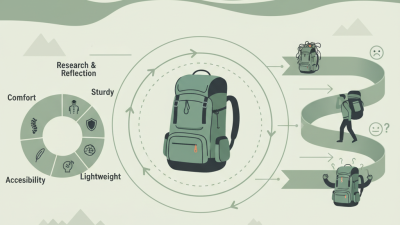
When selecting a hiking day pack, aim for quality. Look for packs that offer durability and weather resistance. Lightweight models are appealing, but do they compromise on space and support? Thoughtful features, like hydration reservoirs or multiple compartments, can help streamline your journey. Consider packs that fit well and allow for ventilation.
However, it is easy to get overwhelmed by the choices available. Not every pack suits every individual. Reflect on your hiking style and preferences. Test out different options before committing. A suitable hiking day pack can elevate your adventures, contributing to your overall enjoyment and safety in the great outdoors.
Choosing the Right Size for Your Day Pack
When choosing a day pack, size is crucial. A pack that’s too large can become cumbersome. You may end up carrying unnecessary items. Conversely, a pack that’s too small may force you to leave behind essential gear. Assessing your needs is an important first step. Consider the duration of your hike and the climate. A lightweight pack is ideal for short hikes in mild conditions.
Organization matters, too. Look for compartments that allow easy access to your items. Water bottles, snacks, and extra layers need to be within reach. A poorly designed pack can lead to frustration on the trail. Try to visualize your hike and pack accordingly. Will you need a first aid kit? What about extra food? These details can influence your decision significantly.
Finding the perfect fit is often a trial-and-error process. Some packs may sit awkwardly or feel too tight. Pay attention to how the straps align with your body. Adjustability can make all the difference. It’s common to find that your first choice isn’t ideal after several hikes. Keep experimenting until you find the one that truly feels right for your adventures.
Essential Features to Look for in a Hiking Day Pack
When selecting a top hiking day pack, certain features are paramount. The capacity of the bag should match your adventure needs. Typically, packs ranging from 20 to 30 liters are ideal for day hikes. They provide enough space for essentials without excessive bulk. According to a survey by Outdoor Industry Association, 73% of hikers prioritize weight and comfort when choosing a pack.
Another crucial element is hydration compatibility. Many day packs come with hydration reservoirs or pockets for water bottles. Staying hydrated is vital, as dehydration can impair physical performance after just 1% loss of body weight, as noted by sports nutrition experts. A well-designed pack allows easy access to water, promoting fluid intake throughout your hike.
Ventilation and comfort also matter. Look for packs with adjustable straps and breathable mesh back panels. An American Hiking Society report indicates that proper fit reduces back pain and improves overall enjoyment. Despite these features seeming essential, many packs still fall short on ergonomic design. Assessing various brands can help identify those that prioritize comfort and usability.
Top Recommended Brands for Day Hiking Packs
When choosing a day hiking pack, several brands stand out for their quality and reliability. These brands specialize in creating backpacks designed specifically for short hikes and outdoor adventures. They focus on comfort, durability, and practicality to enhance your hiking experience.
Consider packs that feature padded shoulder straps and an adjustable hip belt. This ensures a comfortable fit, reducing strain during long treks. Many of these packs have ample storage options, including side pockets for water bottles and compartments for snacks. Lightweight materials are also common, making it easier to carry your gear without being weighed down.
One aspect to reflect on is the balance between size and capacity. A pack that seems perfect might not fit all your essentials. It's important to think about what you truly need versus what looks appealing. Some users find themselves packing unnecessary items, which can lead to discomfort. Monitoring how each pack interacts with your body during different terrains can also provide valuable insights into what you truly require for your next adventure.
Top Hiking Day Pack Features Comparison
This chart compares various features of popular hiking day packs including weight, capacity, water resistance, comfort ratings, and price. Each feature is important for making an informed decision on the best day pack for your hiking adventures.
How to Pack Your Day Pack Efficiently for a Day Hike
Packing your day pack efficiently for a hike is essential. According to industry data, a well-packed backpack can significantly enhance your hiking experience, promoting comfort and mobility. Most hikers carry 5-10 pounds of gear on day hikes, so it’s crucial to make the right choices. Starting with the essentials, focus on weight distribution and accessibility. Place heavier items closer to your back. This approach keeps your center of gravity stable, minimizing fatigue.
Consider including a hydration reservoir or water bottle that you can easily access. Nearly 70% of outdoor enthusiasts report insufficient hydration impacting their energy levels. Snacks like protein bars and trail mix should be within reach for quick energy boosts. Pack lightweight clothing layers based on the weather conditions. Most experts recommend avoiding cotton, as it retains moisture and can lead to discomfort and hypothermia.
Reflect on past hikes where inadequate packing led to challenges. Perhaps you neglected sunscreen or packed too many extra layers. Learning from these experiences helps tailor your packing strategies for future adventures. Aim for a balance between safety and comfort. Taking time to prepare thoughtfully can make all the difference on the trail.
Top Hiking Day Pack for Your Next Adventure? - How to Pack Your Day Pack Efficiently for a Day Hike
| Item |
Description |
Weight (lbs) |
Recommended Pack Size (Liters) |
| Water |
Hydration is essential for hiking. |
2.0 |
2-3 |
| Snacks |
High-energy food like energy bars or trail mix. |
0.5 |
1-2 |
| First Aid Kit |
Basic supplies for treating injuries or discomfort. |
1.0 |
1-2 |
| Map or GPS |
Essential for navigation on trails. |
0.3 |
1 |
| Extra Layer |
A lightweight jacket for changing weather. |
0.5 |
2 |
| Trekking Poles |
To help with stability and reduce strain. |
1.5 |
Optional |
Tips for Maintaining and Cleaning Your Hiking Day Pack
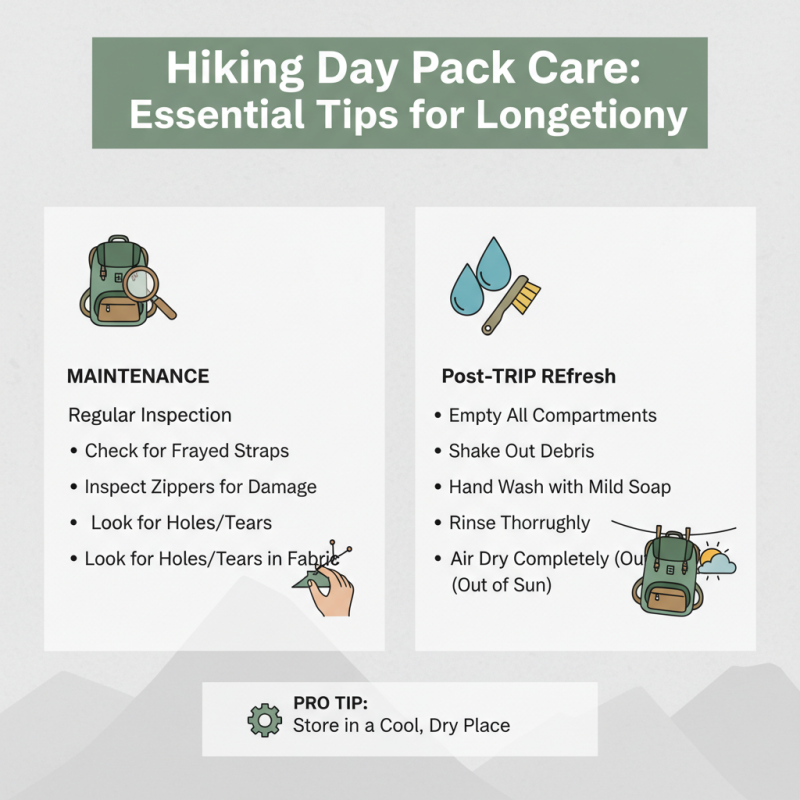
Keeping your hiking day pack clean and well-maintained is essential for its longevity. A dirty pack can lead to unpleasant odors and affect overall performance. Regular inspections are crucial to identify any wear and tear or potential issues. Look for frayed straps, broken zippers, or holes in the fabric. These problems can arise after several trips, making it vital to address them quickly.
Tips for maintaining your pack include emptying it after each hike. This helps avoid dirt accumulation and keeps your pack organized. Use a damp cloth to wipe the exterior, focusing on areas that collect grime. For deeper cleaning, consider hand-washing with mild soap and water. Avoid machine washing, as it can damage the materials.
Don’t forget the interior. Air it out after each hike. This helps in preventing mold and mildew growth. If you notice a lingering smell, sprinkle baking soda inside, let it sit, then shake it out. Remember, a well-cared-for pack enhances your hiking experience. It’s essential to be proactive with maintenance rather than reactive.