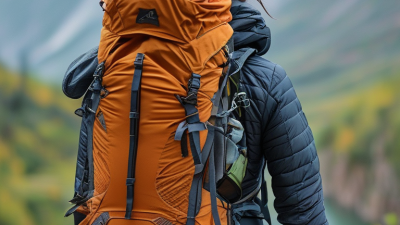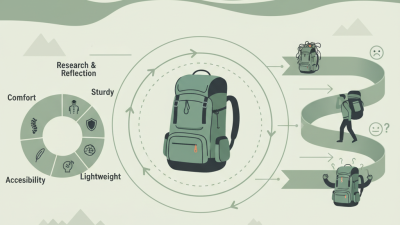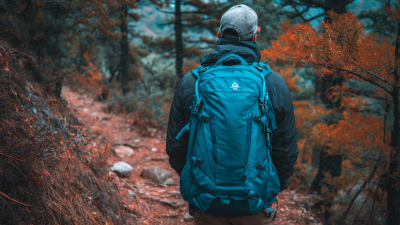
Trekking bags are built for uneven ground, changing weather, and long hours under load. Unlike casual daypacks, they use a shaped back panel, supportive shoulder straps, and a padded hip belt. The hip belt should rest on the pelvis, not the stomach. Fit matters greatly.
Most trekking bags combine tightly woven synthetic fabric with reinforced stitching at stress points. A durable base protects against wet soil and rough rock. Water-resistant coatings shed light rain, but they rarely replace a pack cover or dry liners.
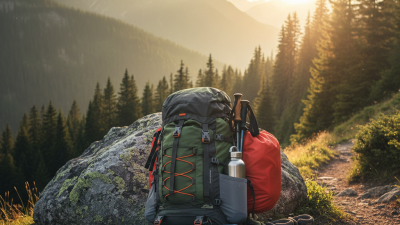
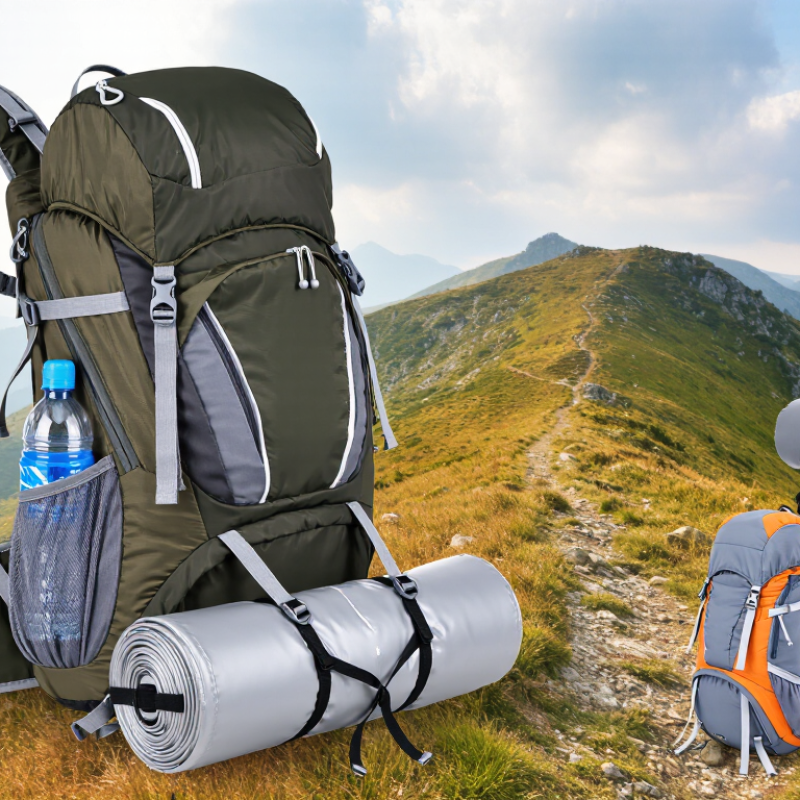
Zippers need large pulls for cold fingers. Compression straps keep the load close to the spine, while side pockets hold bottles within reach. Weight matters. Extra compartments improve organization, but they can add weight and reduce flexibility.
Construction details become obvious after several hours. Good load transfer keeps the shoulders relaxed and limits movement on steep paths. Ventilation helps, but a wide gap can move the center of gravity away from the body. That trade-off deserves attention.
I once preferred maximum airflow, then found the shifting load tiring on rocky climbs. A simpler, closer-fitting panel performed better for me.
Check every seam, buckle, and adjustment point before leaving. Small defects become larger problems far from assistance. A stable bag can make rough terrain feel noticeably less demanding.