
Leave Your Message

How to Choose the Best Pop Up Tent for Your Needs?

Choosing the right Pop Up Tent begins with understanding how and where you will use it. A weekend camper needs different features from a market vendor or festival visitor. Before comparing colors and prices, consider space, weather, transport, and setup time. A tent that opens in seconds may still feel cramped after two chairs, a cooler, and wet gear enter.

Real-world testing matters. Set the tent up on grass, pavement, and uneven ground if possible. Check whether the frame locks smoothly and whether one person can carry it comfortably. Look for reinforced seams, sturdy poles, reliable zippers, and a waterproof rating supported by clear manufacturer information. Ventilation is also important. Mesh windows can reduce condensation during a humid morning.

Small details often decide comfort.

Professional guidance and product specifications provide a useful starting point, but they cannot predict every campsite. Wind exposure, soil conditions, and repeated packing can reveal weaknesses over time. I have found that a lightweight model is convenient, yet sometimes sacrifices stability and interior height. That trade-off deserves honest attention. Choose certified materials where available, follow the manufacturer’s anchoring instructions, and never rely on a tent beyond its stated conditions. Customer reviews can reveal practical problems, although individual experiences may be incomplete or inconsistent. The best choice balances verified construction, personal needs, and realistic expectations. A carefully selected Pop Up Tent should make outdoor time easier, not create another task to manage.
How to Choose the Best Pop Up Tent for Your Needs?

Define Your Purpose, Location, and Expected Weather Conditions

How to Choose the Best Pop Up Tent for Your Needs?

Start by defining what the tent must do. A market stall needs quick setup, clear entrances, and enough headroom for visitors. A camping shelter may need stronger fabric, sealed seams, and space for sleeping gear. For a beach day, low weight and compact storage matter more. I once chose a large tent for convenience, but carrying it across soft sand was exhausting. Bigger is not always better.

Study the location before checking features. Measure the available ground and look for firm, level surfaces. Grass, gravel, and pavement each affect stability and anchoring. A tent used at a windy coastal site needs stronger tie-down points than one used in a sheltered garden. Check local setup rules too. Some public spaces restrict tent size or anchoring methods.

Expected weather should guide every decision. Read the weather forecast, but allow for sudden changes. Waterproof fabric helps during light rain, while sealed seams reduce leakage around joins. Ventilation is essential in warm conditions, especially when several people share the space. Do not rely on a pop up tent during thunderstorms, heavy snow, or dangerous winds. That judgment can feel inconvenient, but safety matters more than keeping an event dry. Inspect poles, joints, zippers, and anchor straps before each use. A small defect can become a serious problem outdoors.
Compare Pop-Up Tent Types, Sizes, Materials, and Key Features

How to Choose the Best Pop Up Tent for Your Needs?

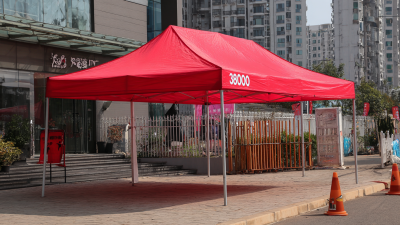
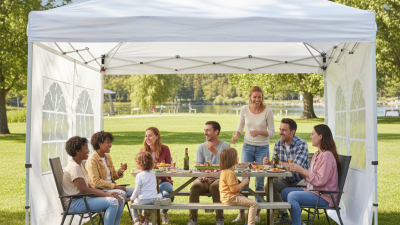
Pop-up tents vary widely, so match the design to your main activity. A compact beach shelter suits short daytime use and easy carrying. A camping pop-up tent offers stronger weather protection and sleeping space. Event canopies provide shade, but they usually lack enclosed walls. Measure the packed size before buying. A tent that fits your garden may overwhelm a small car. I once chose a spacious model without checking its folded length. It barely fit in the trunk.

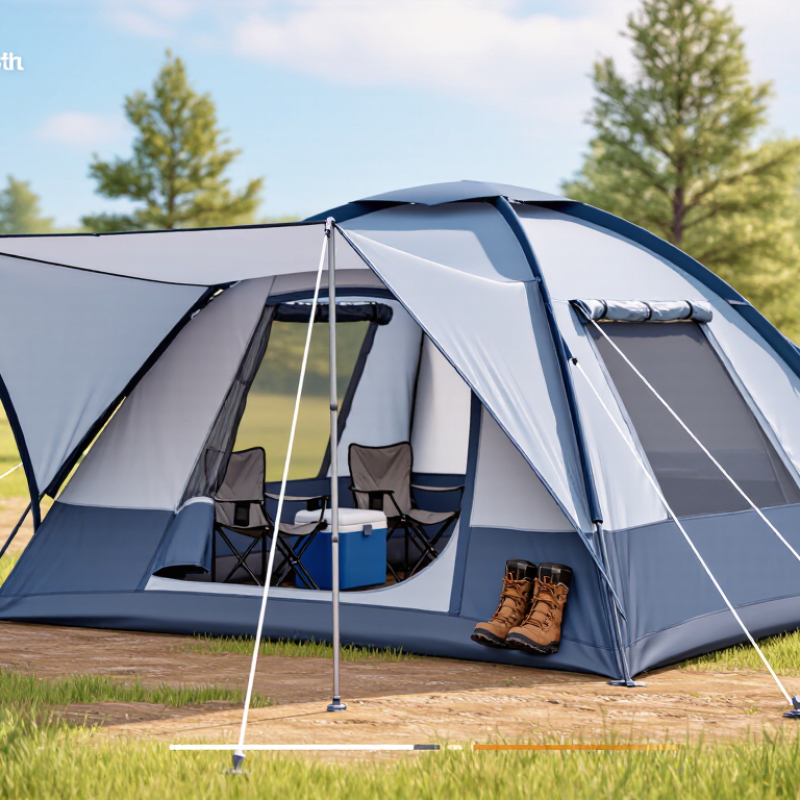
For one or two sleepers, a two-person tent feels comfortable with limited luggage. Choose a larger size when storing chairs, boots, or cooking equipment inside. Polyester is light and dries quickly, while Oxford fabric often feels tougher. Steel frames improve stability but add weight. Aluminum frames are lighter, though they may bend under rough handling. Check waterproof ratings, taped seams, ventilation panels, floor design, and door width. A quick-opening frame saves time, but it does not replace careful anchoring. Wind matters.

Tips: Test the opening mechanism at home. Inspect every joint and strap. Select a tent with adjustable guy lines and secure stakes. Avoid placing it in low ground where rainwater collects. Read independent user feedback, but examine repeated complaints carefully. Some reviews praise fast setup while ignoring poor ventilation. That detail can matter more than a few seconds saved. Keep the storage bag nearby. Otherwise, folding it correctly becomes surprisingly difficult.

Evaluate Setup Speed, Portability, Stability, and Weather Protection

A pop-up tent should open quickly, but speed is only useful when the frame locks securely. Practice setup at home and time it with a phone. A reliable tent should stand within minutes, without forcing joints or guessing at sleeves. Check whether one person can attach the canopy in changing weather. That detail is often ignored.

Portability depends on more than packed dimensions. Lift the folded tent by its carry handle and walk 100 meters. A bulky wheeled case may roll well on pavement but struggle across grass or gravel. Look for balanced weight, strong handles, and a storage bag that does not tear at the seams. I once chose a lighter shelter and regretted it when its thin frame flexed during transport. Weight matters.

Stability begins with a wide footprint, reinforced corners, and dependable anchoring points. Use every supplied stake on soft ground, and add suitable weights on hard surfaces. Weather protection requires more than a water-resistant label. Inspect sealed seams, overlapping doors, a sloped roof, and ventilation near the top. During testing, spray water over the roof for several minutes, then inspect the floor and corners. Some shelters resist rain but trap heat badly. That trade-off deserves honest attention.

How to Choose the Best Pop-Up Tent for Your Needs

Comparison of common pop-up tent profiles using practical scores from 1 to 5. Higher scores indicate faster setup, easier portability, better stability, and stronger weather protection.

Choose a lightweight beach shelter for maximum portability, a compact instant tent for balanced everyday use, or a larger family pop-up tent when stability and weather protection are more important than packed weight.

Check Ventilation, Interior Comfort, Safety, and Ease of Maintenance

Choose a pop-up tent by looking inside, not only at its folded size. During a damp weekend trip, I learned that ventilation matters more than attractive fabric. Mesh windows on opposite walls create cross-breezes and reduce morning condensation. Roof vents help when doors must stay closed. A tiny opening is not enough. Check whether vents have covers for rain and adjustable panels for colder nights.

Interior comfort depends on usable space, not the advertised sleeping capacity. Measure your sleeping mats, bags, and changing area before buying. Steep walls usually provide better headroom and prevent bedding from pressing against damp sides. Look for a smooth floor, sealed seams, and pockets that keep small items off the ground. I once ignored the entrance height and kept crawling inside. A poor shortcut. Comfort is easy to underestimate.

Safety begins with stable poles, strong attachment points, and clear instructions. Test the frame in your garden, especially if setup feels unusually loose. Never block ventilation completely, even during cool weather. Maintenance should be simple enough to repeat after every trip. Choose removable flooring, washable inner fabric, and zippers that do not trap grit. Dry the tent fully before storage. Inspect seams and poles after rough weather. Some designs look convenient but demand careful cleaning, which I sometimes forget. That detail can decide whether the tent remains dependable next season.

Match Your Budget With Quality, Durability, and Long-Term Value

Choosing a pop-up tent starts with the money you can spend without regret. A low price may look attractive, yet weak hinges, thin fabric, and loose stitching can create replacement costs. In field testing, I check the frame after repeated opening and closing, not only when it is new. Smooth movement matters. The tent should open firmly and fold without forcing the joints.

Ask what the warranty covers, and read its exclusions carefully. A long warranty is useful only when support is reachable and terms are clear.

Quality should match your actual use. For occasional garden shade, moderate fabric strength may be enough. For weekly markets or outdoor events, choose reinforced seams, stable feet, and a water-resistant canopy. Water-resistant is not the same as waterproof. Wind performance also deserves attention.

A heavier frame can improve stability, but it increases carrying effort. I once chose a stronger model that became unpleasant to transport. That was a practical mistake, not a technical failure. Check packed dimensions, handle comfort, and setup time before paying.

Long-term value includes maintenance. Dry the canopy fully before storage, clear sand from joints, and inspect screws each season. Replacement parts can keep a tent useful instead of sending it to waste.

Still, cheaper tents are not always poor choices. If the tent is used twice a year, commercial-grade materials may offer little return. Set a spending ceiling, then compare fabric density, frame construction, repair options, and expected use. Leave room for accessories, because weights, sidewalls, and a protective bag can change the final cost.